

Institutional Facility Insulation in NYC for Consistent Indoor Conditions
Keep essential spaces comfortable without overlooking the people who use them.
Uneven temperatures in classrooms, patient areas, and shared facilities can lead to occupant complaints and extra pressure on building systems. Facility managers already have enough responsibilities without repeated insulation-related issues. We understand the challenge of improving building conditions while protecting occupants and maintaining daily activities. Institutional facility insulation reduces unwanted heat transfer in suitable walls, roofs, and other building areas. Prime Foam Solution reviews your facility’s construction and recommends insulation that meets the property’s thermal needs and project requirements.
- Institutional Building Insulation Options
- Occupant Safety & Access Considerations
- Commercial R-Value-Based Recommendations
- NYC Energy & Fire Code Awareness
Prime Foam Solution
Improve Temperature Control Across Institutional Facilities with Better Insulation
Keeping indoor conditions consistent can be difficult when a facility contains classrooms, offices, public areas, and rooms with different heating needs. Some spaces may require repeated thermostat adjustments while others remain comfortable. We recognize that facility managers need a lasting solution, not another maintenance concern that returns each season.
Insufficient insulation along exterior walls, roof assemblies, or building connections may contribute to these temperature differences. Before recommending foam installation, our team considers the affected areas, building construction, and existing insulation. We focus on suitable applications that improve thermal protection without unnecessary work in unrelated spaces. A clear insulation plan also makes it easier to coordinate the work with building management. Prime Foam Solution identifies the proposed treatment areas and material requirements, allowing facility managers to review the project scope before installation begins.
Prime Foam Solution
Insulation Services for Schools and Other Institutional Facilities
Schools, healthcare properties, and public buildings have different operating requirements. Our institutional insulation services focus on suitable building areas while considering occupancy, access restrictions, and the purpose of each facility.


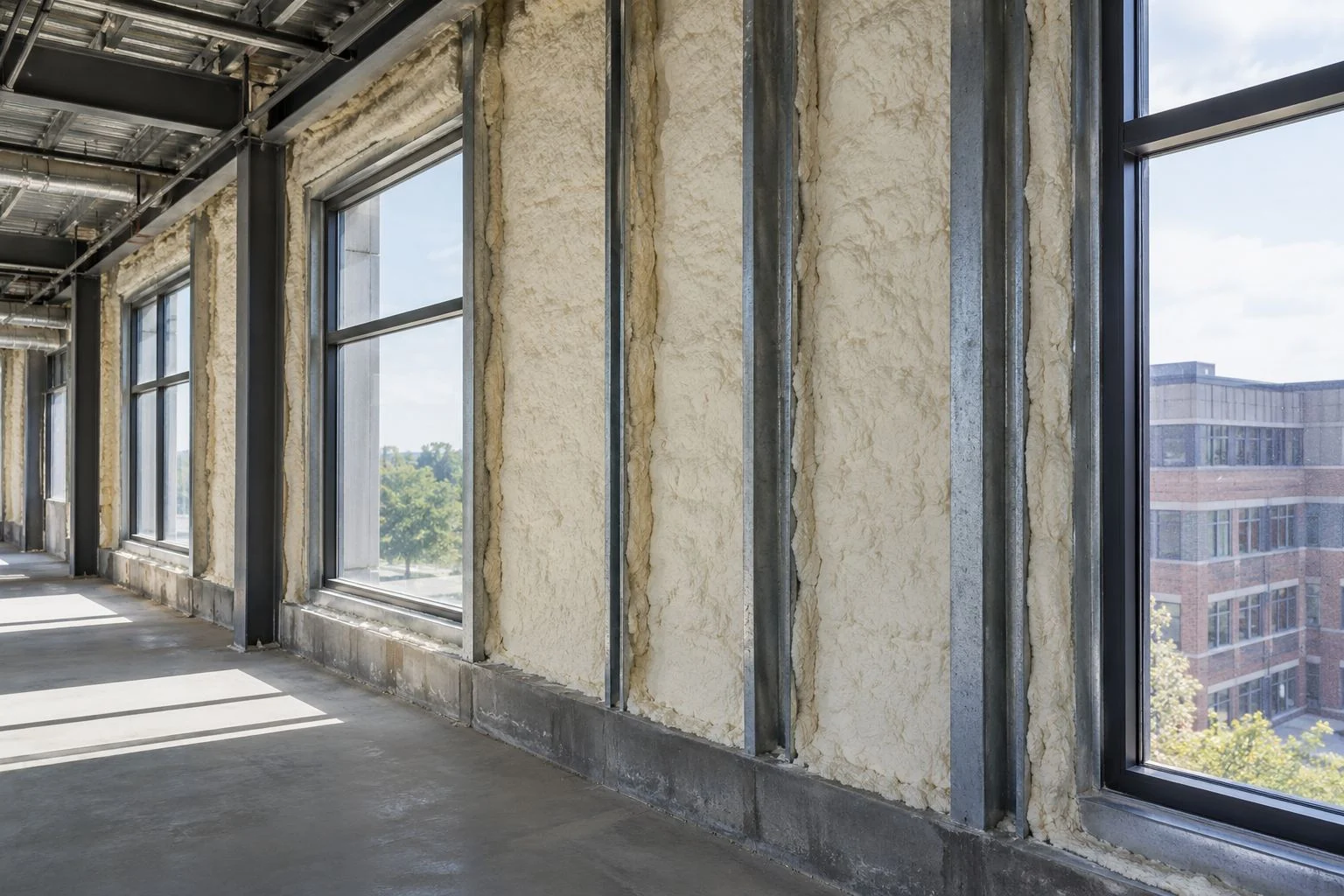
School and Educational Facility Insulation
Classrooms, administrative offices, and school common areas may experience different indoor temperatures due to insulation gaps in the building envelope. We consider accessible walls, roof assemblies, and project schedules before recommending suitable foam applications. School insulation work requires careful planning around student occupancy, ventilation, and restricted areas, particularly when existing buildings remain in use.
Healthcare Facility Insulation
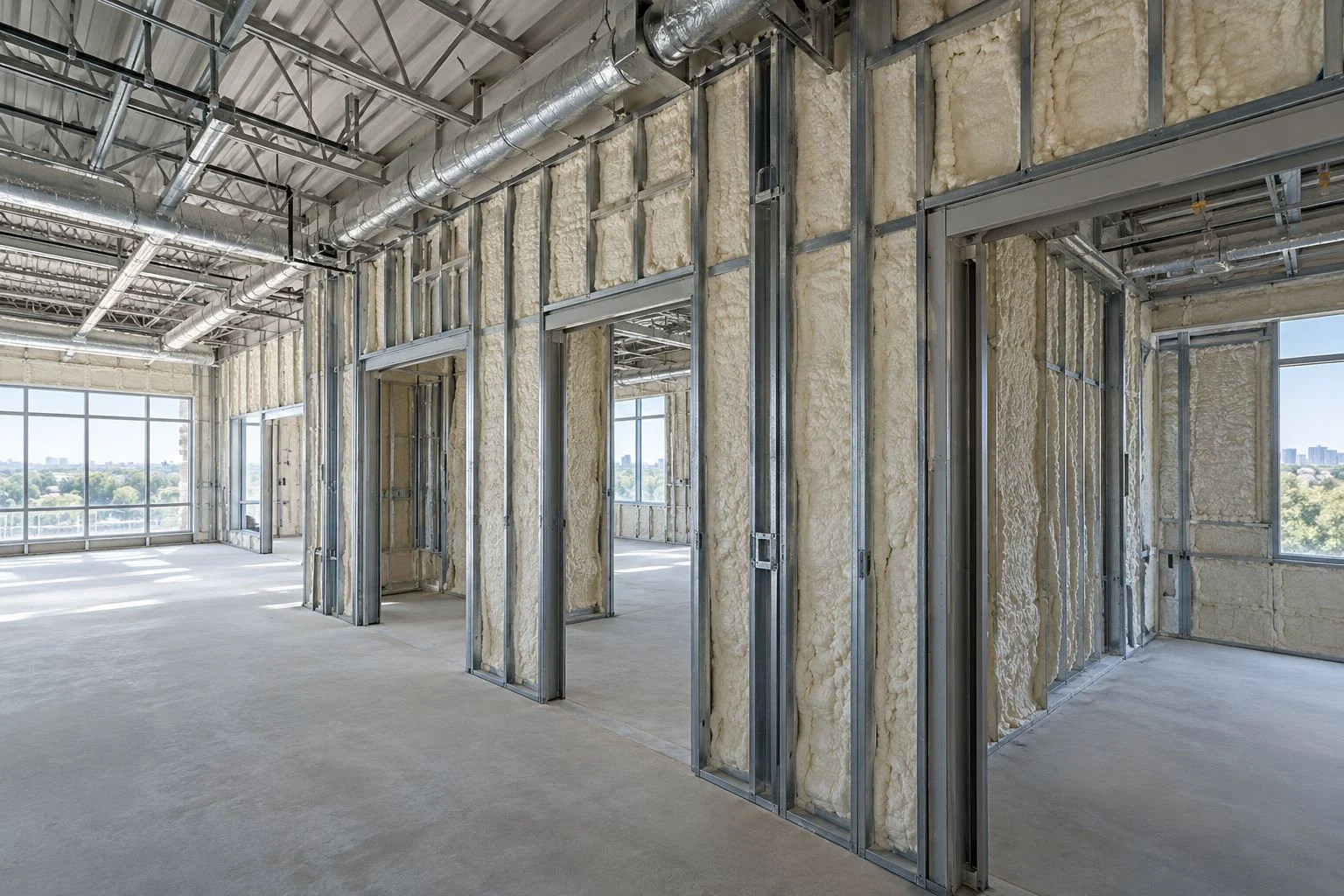
Hospitals, clinics, and medical offices require additional care when construction takes place near occupied areas. Insulation work must account for access restrictions, ventilation, and facility-specific infection-control procedures. Our recommendations focus on suitable building-envelope applications and the proposed work areas. Healthcare management must approve the necessary safety and occupancy arrangements before installation begins.
Community Center Insulation
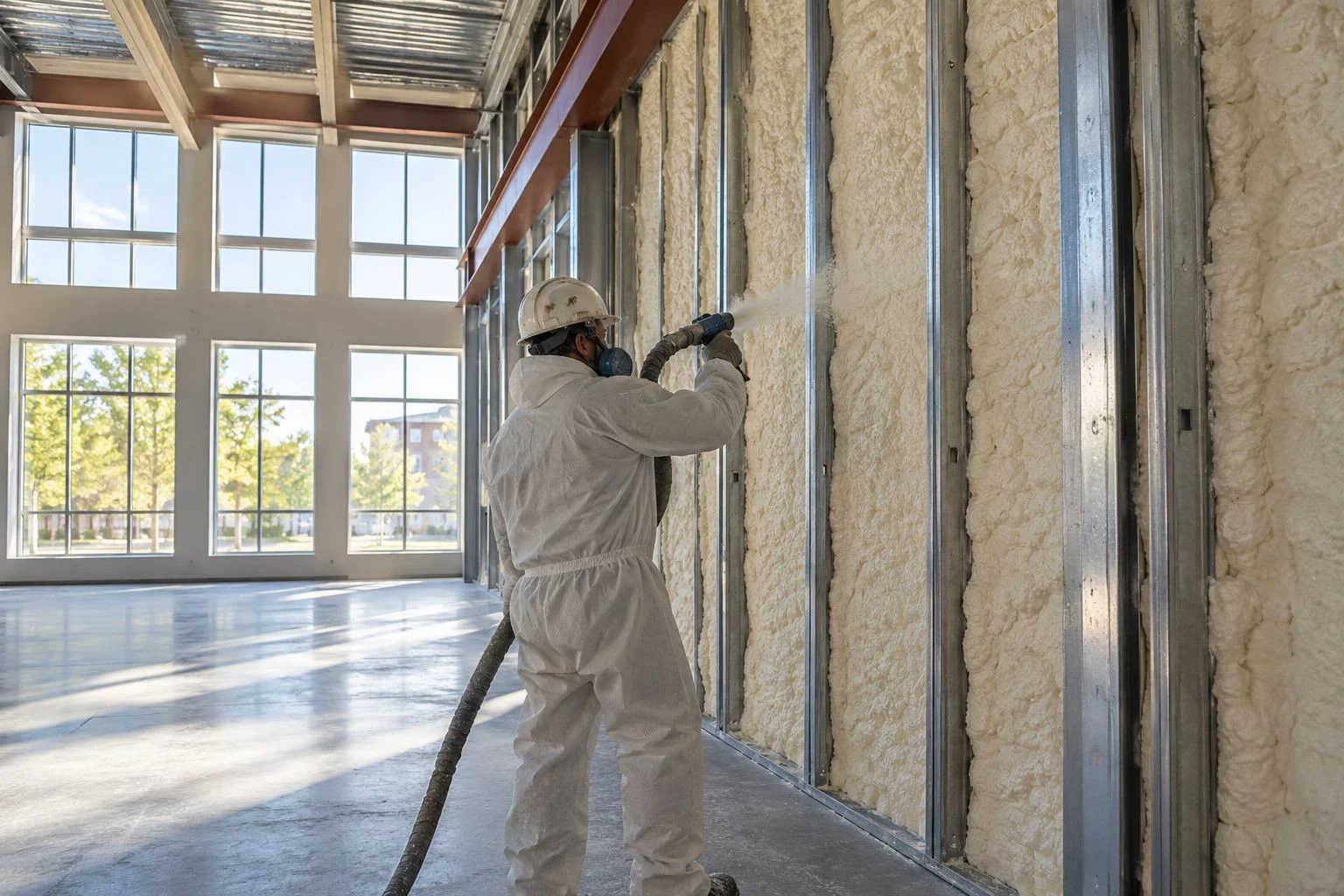
Community centers often contain activity rooms, meeting spaces, offices, and other areas used at different times throughout the day. Suitable insulation in exterior walls and roof assemblies can improve thermal protection across these spaces. We consider building access, existing construction, and the facility’s schedule when discussing insulation work that may affect shared areas.

Government and Municipal Building Insulation
Municipal offices and public service buildings may have limited access periods, security requirements, and formal construction approvals. These conditions influence how insulation projects are organized. Our team reviews suitable insulation areas and the requirements provided by facility management before proposing an application. The project scope must align with the approved construction and access arrangements.
Existing Institutional Building Insulation Upgrades
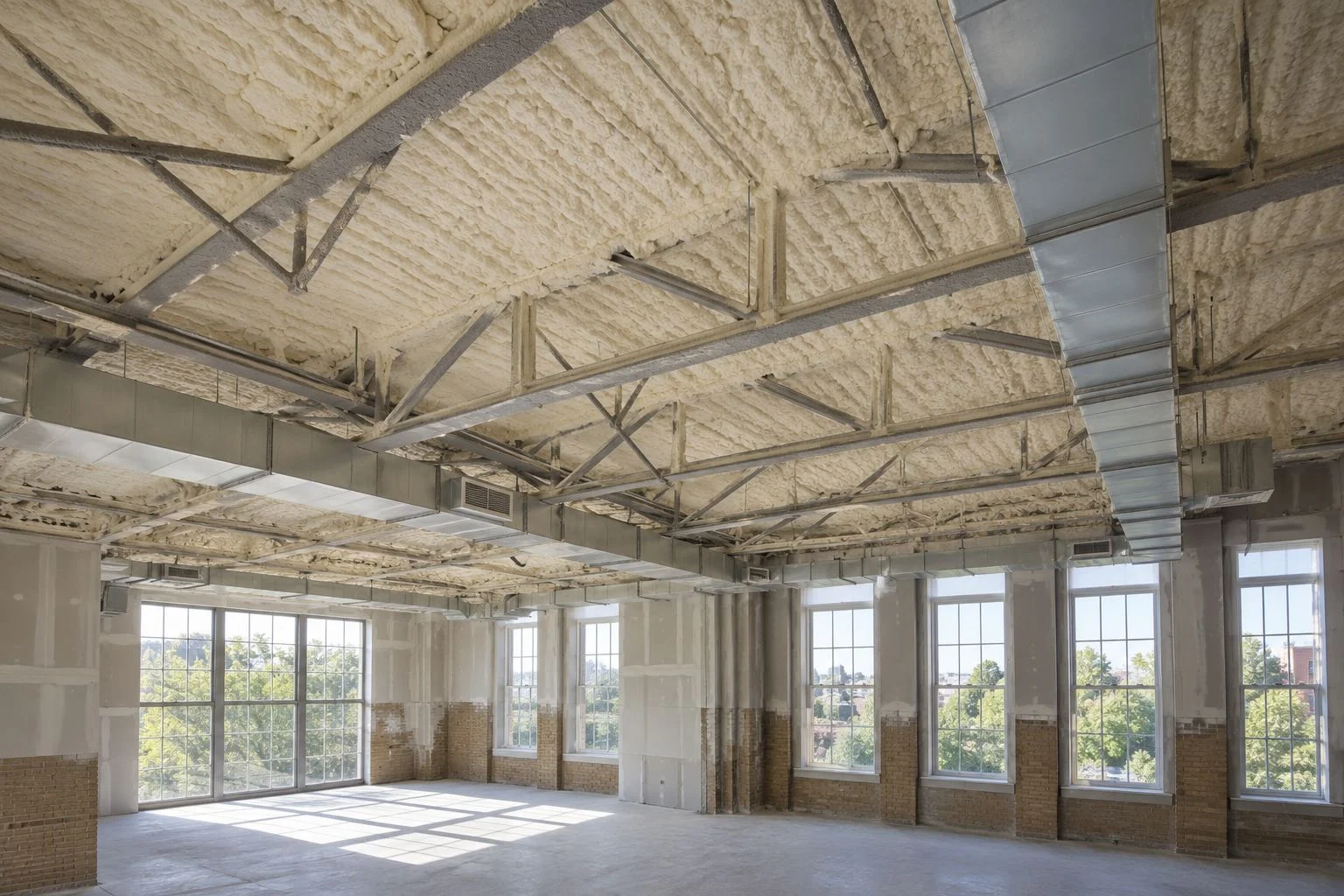
Older institutional properties may have insulation gaps behind finished walls or within roof assemblies that are difficult to access during normal operations. Renovation work can provide access to these areas. Before recommending additional foam, we review the existing materials and proposed construction scope to identify suitable insulation improvements without unnecessary changes to unaffected spaces.
Prime Foam Solution
Our Completed Institutional Facility Insulation Projects
Have an Institutional Building Project in Mind?
Share your facility type, proposed work areas, and project requirements with our insulation team to discuss suitable applications.

Prime Foam Solution
Make the Most of Your Next Facility Maintenance Window
Scheduled closures and renovation periods can provide access to insulation areas that are difficult to reach during normal facility operations. Missing that opportunity may lead to additional coordination or delays later. Plan the insulation work before the next construction phase limits access.
Prime Foam Solution
Areas We Cover with Institutional Facility Insulation
Institutional buildings contain different types of spaces, but insulation should focus on the surfaces that separate conditioned rooms from outdoor or unconditioned areas.
- Exterior Walls: Improve thermal protection in suitable wall cavities around classrooms, offices, patient areas, and public spaces.
- Roof Decks and Upper Levels: Address heat transfer through suitable roof assemblies above occupied parts of the facility.
- Mechanical and Utility Areas: Review the building-envelope surfaces around utility spaces where insulation may be required, without interfering with equipment ventilation or maintenance access.
- Renovated Sections and Additions: Provide suitable insulation where new construction connects to existing building areas.
- Accessible Building Connections: Address appropriate gaps and penetrations that affect the building’s air barrier.
Prime Foam Solution
Our Process for Institutional Insulation Projects
Institutional insulation work needs clear project boundaries, suitable preparation, and coordination with facility management. Our installation process focuses on the agreed work areas and the requirements of the selected insulation material.
Confirm the Facility’s Insulation Scope
We review accessible building areas and discuss the intended project with facility management. Existing materials, insulation requirements, and access restrictions determine which locations need further assessment.
Prepare the Approved Work Areas
Before installation, nearby surfaces and equipment receive appropriate protection. The work area must remain separate from occupants and unprotected personnel, with suitable ventilation and access restrictions in place.
Apply the Selected Foam Insulation
Insulation is applied to suitable prepared surfaces according to the manufacturer’s instructions and approved assembly requirements. Material thickness and placement follow the proposed insulation scope, with attention to necessary clearances and protective construction.
Complete Coverage and Site Checks
Accessible insulated areas are reviewed before finishing work begins. Necessary trimming and cleanup follow application. Ventilation, curing, and safe re-entry must meet the selected product’s requirements before the affected area returns to normal use.
Prime Foam Solution
Spray Foam Options Selected for Institutional Buildings
Open-cell and closed-cell spray foam offer different thermal properties. We consider available insulation space, moisture conditions, and the approved building assembly before recommending either material.
- Open-Cell Spray Foam: Provides thermal insulation and air sealing at the required thickness in suitable wall and ceiling assemblies.
- Closed-Cell Spray Foam: Offers higher thermal resistance per inch and greater resistance to water vapor movement for appropriate building applications.
- Building-Specific Coverage: Required insulation thickness depends on the product’s R-value and the project’s thermal performance requirements.
- Approved Fire Protection: Foam insulation must remain compatible with the building’s fire-rated assemblies and required protective barriers.

Prime Foam Solution
Installation Plans That Respect Your Facility’s Schedule
Facility managers need to understand how construction work will affect occupants, staff, and daily operations. We consider these concerns when discussing the proposed insulation project.
Coordinate Work Around Occupancy
School breaks, scheduled maintenance periods, and restricted access hours may influence installation dates. Our project planning accounts for when affected spaces can be safely vacated and made available.
Keep Work Areas Separate from Occupants
Spray foam application requires isolation from unprotected people during installation and curing. Facility-approved arrangements must address adjacent rooms, building access, and the movement of staff or visitors.
Confirm Safe Return to the Space
Re-entry depends on the selected product, ventilation, curing, and cleanup requirements. Before work begins, facility management should know which areas will be unavailable and the conditions required before reopening them.
Prime Foam Solution
Institutional Facility Insulation That Meets NYC Safety Standards
Insulation projects in institutional buildings must account for applicable energy requirements, fire protection, and occupant safety. At Prime Foam Solution, our recommendations consider these requirements alongside the facility’s construction and intended use.
- NYC Commercial Energy Code: The 2025 NYC Energy Conservation Code establishes insulation and building-envelope requirements for applicable commercial and institutional construction.
- Foam Insulation Fire Protection: NYC Building Code Section BC 2603 regulates foam plastic insulation, including required protective barriers and approved applications.
- Occupied Building Protection: Applicable NYC Department of Buildings requirements may call for an occupant protection plan that addresses construction hazards, access, fire safety, and health.
- School Construction Precautions: Occupied educational facilities may have additional construction safety, ventilation, and scheduling requirements.
- Healthcare Infection Control: Applicable healthcare projects may require facility-approved infection-control risk assessments and precautions before construction.
- Spray Foam Safety: Product-specific application, ventilation, curing, and safe re-entry procedures must be followed.
Note: Institutional Spray Foam Does Not Replace Structural Fireproofing
Spray polyurethane foam insulation provides thermal protection and may form part of an approved building assembly. It does not automatically provide the fire-resistance rating required for structural steel or other building components. Required structural fireproofing uses separately approved systems and materials. Insulation and fireproofing requirements must be reviewed independently.
Prime Foam Solution
Institutional Insulation Services Across New York City
NYC institutional properties include schools, community centers, healthcare facilities, and public buildings with different operating schedules and construction requirements. Our project recommendations account for facility access, the approved building design, and the insulation areas involved.
Our proposed service areas include:
- Manhattan: Harlem, Washington Heights, Midtown, Lower Manhattan, and surrounding neighborhoods.
- Brooklyn: Downtown Brooklyn, Sunset Park, Williamsburg, Flatbush, and nearby communities.
- Queens: Flushing, Jamaica, Long Island City, Forest Hills, and neighboring areas.
- The Bronx: Fordham, Mott Haven, Morris Park, Kingsbridge, and surrounding neighborhoods.
- Staten Island: St. George, New Dorp, Great Kills, and nearby communities.
Need Institutional Insulation in Your Area? Share your facility location and project requirements to confirm service availability.
Prime Foam Solution
Why Institutions Choose Prime Foam Solution
- Facility-Specific Insulation Planning: We consider the building’s use and construction before recommending suitable foam applications.
- Attention to Occupied Areas: Project planning accounts for the people and activities near proposed work locations.
- Clearly Defined Work Zones: Access restrictions and treatment areas are identified before installation.
- School and Healthcare Considerations: Different facility safety and operating requirements influence the proposed insulation work.
- R-Value-Based Material Recommendations: Available space and thermal performance requirements guide foam selection.
- NYC Code Awareness: Applicable energy, fire protection, and construction safety requirements remain part of the project scope.
- Manufacturer-Guided Application: Product specifications determine the required installation and curing conditions.
- Clear Project Requirements: Facility managers receive an explanation of the proposed materials, areas, and necessary preparation.
Prime Foam Solution
Frequently Asked Questions
How much does institutional facility insulation cost in NYC?
Institutional insulation costs depend on the treated area, foam type, required thickness, access, and building conditions. Occupied schools and healthcare facilities may require additional site protection and scheduling arrangements. A project quote should identify the insulation scope, material specifications, preparation work, and applicable safety requirements.
Can spray foam insulation be used in schools?
Yes, spray foam can be used in suitable school building assemblies when the product and installation meet applicable safety and building requirements. The EPA advises that spray foam installation in schools take place while school is out of session and occupants are off the premises. Ventilation and product-specific re-entry conditions must be satisfied before normal occupancy resumes.
Is spray foam insulation suitable for hospitals and healthcare facilities?
Spray foam may be suitable for certain healthcare building-envelope assemblies, but installation requires careful planning around occupied spaces. Healthcare facilities may require an infection-control risk assessment and approved containment measures before construction begins. Material selection, air handling, curing, and access restrictions must meet the facility’s requirements.
Does institutional insulation reduce heating and cooling costs?
Suitable insulation can reduce heat transfer and unwanted air leakage through a building’s thermal envelope. Actual operating cost reductions depend on existing construction, HVAC performance, building use, and the areas treated. Institutional insulation should be considered alongside the facility’s overall energy performance rather than as a guaranteed reduction in utility expenses.
Can insulation work take place while an institutional building remains open?
Some construction projects can be coordinated around operating facilities, but spray foam work requires affected areas to remain free of occupants and unprotected workers during application and curing. EPA guidance for schools advises installation when the school is out of session and occupants are off the premises. Facility-specific approvals and safe re-entry requirements determine the permitted arrangements.
Which spray foam type is better for institutional buildings?
Open-cell and closed-cell spray foam serve different insulation needs. Open-cell foam can suit certain wall and ceiling cavities, while closed-cell foam provides higher thermal resistance per inch and greater vapor resistance. Material selection depends on the approved building assembly, insulation depth, moisture conditions, and fire protection requirements.
Does institutional spray foam insulation need a fire-rated coating?
Foam plastic insulation generally requires approved thermal protection unless a specific code exception or approved alternative applies. Some assemblies may use approved protective coatings, while others require gypsum board or another barrier. The product and complete assembly must meet the applicable NYC Building Code requirements. Spray foam alone does not establish a fire-resistance rating.
What should facility managers prepare before insulation installation?
Facility managers should provide building plans where available, identify the proposed insulation areas, and explain occupancy schedules and access restrictions. Existing moisture concerns, adjacent occupied spaces, and required construction approvals should be discussed before work begins. Spray foam projects also require agreement on work-area isolation and safe re-entry procedures.
Does institutional insulation need to meet NYC energy code requirements?
Yes, applicable institutional construction and alterations must comply with relevant NYC energy requirements. The 2025 NYC Energy Conservation Code establishes commercial building-envelope provisions, including insulation performance and air sealing. The exact requirements depend on building construction, project scope, and the approved compliance method.
How long does institutional insulation installation take?
Installation time depends on project size, material selection, access, surface conditions, and facility operating restrictions. Work in occupied or restricted buildings may require additional coordination. Spray foam curing and safe re-entry must be considered separately from application time, and all affected areas must meet the manufacturer’s safety requirements before occupancy resumes.
Prime Foam Solution
Plan Your Institutional Insulation Work Around Your Facility’s Needs
Insulation work in schools, healthcare facilities, and public buildings requires more than a material recommendation. Facility access, occupant safety, and construction schedules all affect the project. Prime Foam Solution can review your proposed insulation areas and discuss suitable foam options with your facility management team.