

Ceiling Insulation in NYC for Better Comfort and Noise Control
Ceiling insulation helps reduce heat loss, control indoor temperatures, and absorb unwanted noise between floors.
Conversations from upstairs, television noise, or cold rooms beneath unheated spaces can make your home less comfortable. It isn’t always clear whether the problem comes from missing insulation or the way your ceiling was built. We understand why homeowners want a solution that addresses the problem without unnecessary changes to their interiors. Ceiling insulation reduces heat transfer and absorbs some airborne sound, depending on the material and construction. Prime Foam Solution assesses your ceiling and recommends suitable insulation for the comfort and privacy your home needs.
- Thermal & Acoustic Insulation Options
- Garage & Basement Ceiling Solutions
- R-Value-Based Material Selection
- NYC Fire & Energy Code Awareness
Prime Foam Solution
Control Heat Transfer with Ceiling Insulation in NYC
A ceiling beneath an unheated space can leave the room below harder to keep at a comfortable temperature. You might notice cold spots in certain rooms even though other parts of the house feel fine. We recognize that adding insulation without knowing what’s above the ceiling can lead to unnecessary work. Insulation should address the boundary where unwanted heat transfer occurs, not simply fill every empty cavity.
For this reason, the space above your ceiling matters as much as the ceiling itself. Our team considers whether it separates heated rooms, an unconditioned basement, or an attached garage before recommending materials. We focus on suitable insulation depth and accessible areas that need thermal protection. You get a clear recommendation based on your home’s construction rather than another layer of insulation that may not solve the problem.

Prime Foam Solution
Ceiling Insulation Services for Different Room Needs
Not all ceiling problems require the same treatment. Some involve heat transfer through floors, while others concern noise between occupied rooms. Our ceiling insulation services focus on the specific area and its intended purpose.


Basement Ceiling Insulation
An unheated basement can leave the floors above cold, even when the living rooms are otherwise comfortable. Basement ceiling insulation reduces heat transfer through the floor that separates these spaces. We consider exposed joists, pipes, and the required air barrier before recommending suitable materials. A finished, heated basement may require a different approach.

Garage Ceiling Insulation
Bedrooms above attached garages often need thermal protection beneath the floor. Poorly fitted insulation can leave gaps between the joists and subfloor, which affects performance. Our garage ceiling insulation recommendations focus on proper material placement and suitable coverage. The completed ceiling must preserve the required fire separation between the garage and the occupied rooms above.

Between-Floor Ceiling Insulation
Television noise, conversations, and other sounds from upstairs can interrupt privacy in the rooms below. Insulation inside suitable floor-ceiling cavities absorbs some airborne sound and contributes to better noise control. For shared bedrooms, home offices, and living areas, we consider the existing framing and ceiling construction before recommending materials. Footstep noise may require additional sound-isolation measures.

Vaulted Ceiling Insulation
Vaulted ceilings often have limited space between the interior finish and roof structure. Insulation must fit the available depth without interfering with the roof’s moisture and ventilation requirements. We consider suitable materials based on the approved assembly and required thermal performance. Careful planning is particularly important where the ceiling follows the roofline.

Existing Ceiling Insulation Upgrades
Finished ceilings may hide missing, damaged, or poorly fitted insulation. Opening the entire surface isn’t always the appropriate starting point. Prime Foam Solution reviews the available access and existing construction before recommending additional coverage or replacement. Homeowners receive an explanation of which areas need treatment and what interior work may be necessary.
Prime Foam Solution
Our Ceiling Insulation Work Across NYC Homes
Have a Similar Ceiling Insulation Project?
Share the areas that need attention with our insulation team. We can discuss suitable materials and the work required for your ceiling.
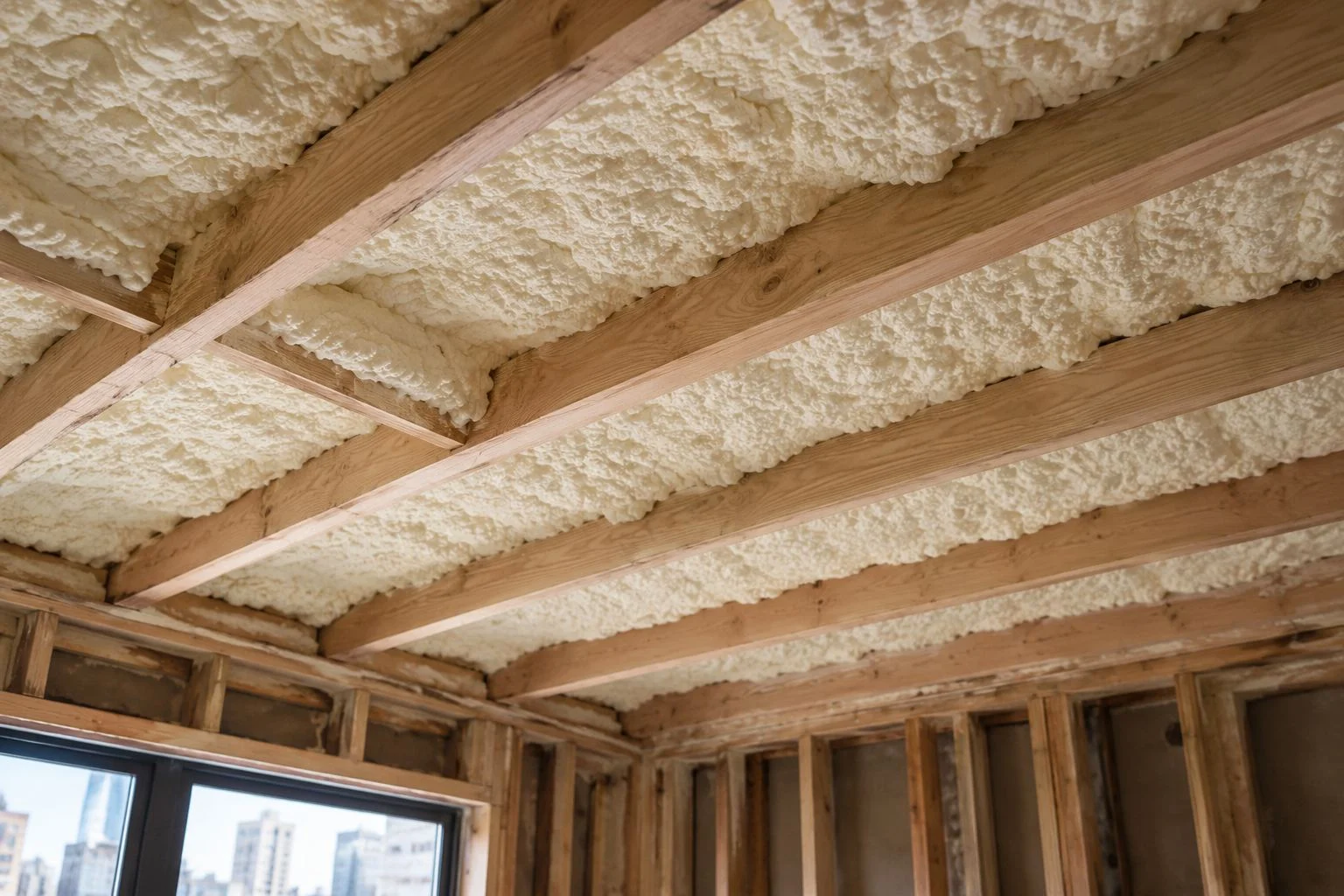
Prime Foam Solution
Avoid Paying to Reopen a Newly Finished Ceiling
New drywall, recessed lighting, and decorative finishes can make insulation cavities difficult to access later. Plan your ceiling insulation before finishing work covers the areas that need attention and avoid unnecessary removal costs.
Prime Foam Solution
Ceiling Insulation Materials We Recommend for Your Home
Material selection depends on what the ceiling separates, the available cavity space, and whether thermal insulation or sound absorption is the priority.
- Spray Foam Insulation: Provides thermal resistance and air sealing in suitable ceiling assemblies. Foam type and required protection depend on the installation area.
- Fiberglass Batt Insulation: Fits accessible ceiling joists and provides thermal insulation when properly supported and placed.
- Mineral Wool Insulation: Absorbs airborne sound within suitable floor-ceiling cavities and provides thermal insulation.
- Rigid Foam Board Insulation: Adds thermal resistance to suitable assemblies where continuous insulation is appropriate.
Prime Foam Solution
How Our Insulation Experts Complete Your Ceiling Insulation Installation
Ceiling insulation work requires suitable access, careful material placement, and attention to fixtures hidden within the cavity. Our installation process focuses on these practical details.
Review the Ceiling and Access Points
We examine accessible ceiling areas, the existing construction, and the space above. Joist depth, insulation condition, and nearby fixtures help determine where work can take place.
Prepare the Areas for Insulation
Nearby furniture and finished surfaces receive appropriate protection. Our team confirms installation access and identifies fixtures, ducts, and other components that require special attention.
Fit or Apply the Selected Insulation
Insulation is placed or applied in the agreed areas according to the product requirements. We pay attention to framing spaces and necessary clearances while maintaining the intended coverage.
Review the Work Before Finishing
Accessible insulated areas are checked for gaps and proper material placement. Cleanup follows installation, while spray foam curing and ventilation follow manufacturer instructions before safe re-entry.
Prime Foam Solution
We Address Ceiling Noise Based on Its Source
Not every noise problem can be solved by adding insulation. Our ceiling soundproofing recommendations consider how sound travels between rooms before a suitable treatment is selected.
- Conversations and Television Noise: Sound-absorbing insulation can reduce some airborne noise within floor-ceiling cavities.
- Footsteps and Furniture Movement: Impact noise travels through the floor structure and may require resilient ceiling components or flooring treatments beyond cavity insulation.
- Gaps Around Ceiling Fixtures: Unsealed openings can allow sound to pass between spaces and may require appropriate treatment within the complete assembly.
Prime Foam Solution
Ceiling Insulation Upgrades with Less Interior Disruption
Finished ceilings can make homeowners hesitant about insulation work, especially in rooms with decorative surfaces or recently completed interiors. We review the installation access before recommending changes to your ceiling.
Keep Existing Finishes Where Possible
Accessible ceiling cavities may require less interior removal than fully enclosed spaces. Our recommendations account for the location of drywall, plaster, and other finishes.
Plan Around Lighting and Utilities
Recessed lights, electrical wiring, ducts, and plumbing can affect insulation placement. Required clearances and approved fixture details must remain part of the installation plan.
Know the Work Before It Starts
Some projects require openings in finished ceilings or coordination with drywall repairs. Our team explains the proposed insulation work and access requirements before installation begins.
Prime Foam Solution
NYC Ceiling Insulation Standards We Follow
At Prime Foam Solution, we consider applicable NYC energy, fire, and sound-control requirements when planning ceiling insulation for residential properties.
- Energy Code Requirements: The 2025 NYC Energy Conservation Code establishes insulation and air-sealing requirements for applicable floor and ceiling assemblies.
- Garage Ceiling Fire Protection: NYC Building Code Section BC 406.3.4 establishes fire-rated separation requirements between private garages and habitable rooms.
- Foam Insulation Protection: NYC Building Code Section BC 2603 regulates foam plastic insulation and approved protective barriers.
- Sound Control Requirements: NYC Building Code Section BC 1207 establishes sound-transmission requirements for applicable residential floor-ceiling assemblies.
Prime Foam Solution
Ceiling Insulation Services Across NYC Neighborhoods
NYC homes include older apartments with plaster ceilings, townhouses with exposed basement joists, and properties with rooms above attached garages. Our ceiling insulation recommendations take the construction and intended use of these spaces into account.
Our proposed service areas include:
Need Ceiling Insulation in Your Neighborhood? Share your property location to confirm service availability and discuss the ceiling areas that need attention.
- Brooklyn: Park Slope, Bay Ridge, Williamsburg, Bensonhurst, and surrounding neighborhoods.
- Manhattan: Upper West Side, Harlem, Chelsea, Washington Heights, and nearby areas.
- Queens: Astoria, Forest Hills, Bayside, Flushing, and neighboring communities.
- The Bronx: Riverdale, Kingsbridge, Pelham Bay, Morris Park, and surrounding areas.
- Staten Island: New Dorp, Great Kills, Dongan Hills, Tottenville, and nearby neighborhoods.
Prime Foam Solution
Why Homeowners Choose Prime Foam Solution for Ceiling Insulation
- Thermal and Acoustic Needs Assessment: We distinguish between temperature problems and noise concerns before recommending insulation.
- Ceiling-Specific Material Selection: The room above and available cavity depth guide the choice of insulation.
- Garage Ceiling Safety Awareness: Required fire separation remains part of the project plan for attached garages.
- Sound Absorption Recommendations: Our team considers the ceiling structure and the type of noise that needs attention.
- Finished Ceiling Access Planning: Existing interior finishes influence the proposed installation method.
- Attention to Recessed Fixtures: Lighting, ducts, and utilities receive consideration before material placement.
- NYC Code-Conscious Work: Applicable energy, fire, and acoustic requirements inform project recommendations.
- Clear Installation Scope: You receive an explanation of the insulation areas and necessary preparation before work begins.
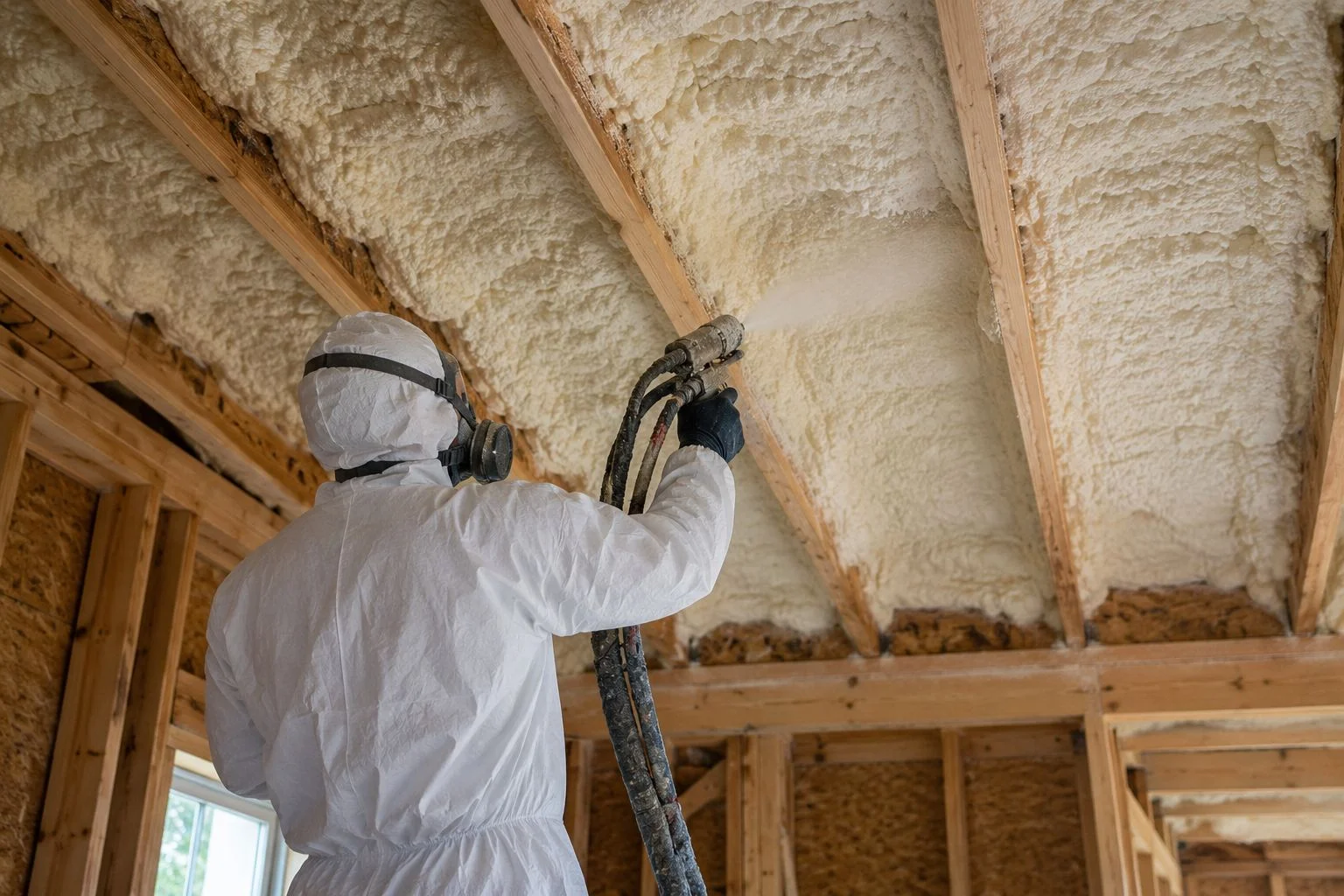
Prime Foam Solution
Frequently Asked Questions
How much does ceiling insulation cost in NYC?
Ceiling insulation costs depend on the area, selected material, cavity depth, and accessibility. Finished ceilings may require additional work to expose cavities and restore interior surfaces. Garage ceiling insulation and acoustic ceiling projects can have different requirements. A quote should identify the planned work and any necessary preparation.
What is the best ceiling insulation for a home?
The best ceiling insulation depends on its purpose and construction. Fiberglass and mineral wool can suit certain framed cavities, while spray foam provides thermal insulation and air sealing in suitable assemblies. Sound control may require additional materials beyond cavity insulation. Material selection should reflect the space above the ceiling and the intended result.
Does insulation between floors reduce noise?
Yes, suitable insulation inside floor-ceiling cavities can absorb some airborne noise from conversations, televisions, and other activities. The overall improvement depends on the framing, drywall, and complete assembly. Footstep noise may require resilient connections or other treatments because it travels through the building structure.
Will ceiling insulation stop footsteps from upstairs?
Ceiling insulation alone usually cannot eliminate footstep noise. Footsteps create vibrations that travel through floors and structural connections. Cavity insulation can contribute to an acoustic assembly, but stronger impact-noise reduction may require sound-isolation clips, resilient ceiling systems, or treatment of the floor above.
What is the best insulation for a basement or cellar ceiling?
Fiberglass batts, mineral wool, and suitable spray foam products are possible options for basement or cellar ceilings. Material selection depends on whether the basement is heated, the available joist space, and the insulation’s purpose. Moisture conditions and required air sealing should be evaluated before installation.
Should I insulate a garage ceiling below a bedroom?
Yes, insulation is commonly appropriate when a bedroom or other conditioned room sits above an unheated garage. Suitable insulation beneath the subfloor reduces unwanted heat transfer. Required air barriers and the fire-rated construction between the garage and living area must remain intact.
Can spray foam be used on a garage or basement ceiling?
Yes, spray foam can be installed in suitable garage and basement ceiling cavities when the complete assembly permits it. Product choice and application thickness depend on the building’s requirements. Foam plastic insulation may need approved protective barriers, while application and curing require appropriate safety precautions.
What insulation works best for vaulted ceilings?
Vaulted ceilings may use spray foam, fiberglass, or other insulation systems depending on the roof assembly. Limited cavity depth, ventilation, and moisture management influence material selection. The insulation must provide the required thermal performance without creating an unsuitable roof or ceiling assembly.
Can insulation be added to an existing finished ceiling?
Yes, but the installation method depends on the existing ceiling and selected insulation material. Conventional spray foam generally requires access to exposed cavities, while certain other insulation methods may use smaller openings. Existing plaster, drywall, wiring, and fixtures affect the work required.
How long does ceiling insulation installation take?
Installation time depends on the ceiling area, material choice, existing finishes, and access conditions. Open joists generally require less preparation than finished ceilings that must be opened. Spray foam curing and ventilation can affect safe re-entry, while drywall restoration may require separate work.
Prime Foam Solution
Choose Ceiling Insulation That Addresses the Actual Problem
Noise between floors and cold rooms beneath unheated spaces need different insulation approaches. Our team can assess the ceiling area, discuss suitable materials, and explain the work required before you commit to the project. Prime Foam Solution focuses on insulation that matches your home’s construction and the problem you want addressed.