

Wall Insulation in NYC for Warmer, Less Drafty Rooms
Reduce Heat Loss and Improve Indoor Comfort with Wall Insulation
Rooms near exterior walls can feel cold in winter and too warm in summer, even when the rest of your home feels comfortable. We understand why homeowners hesitate to invest in insulation when they aren’t sure what’s behind their walls. Poor wall insulation can make it difficult to maintain a comfortable temperature in certain rooms. Prime Foam Solution identifies suitable wall areas for insulation and recommends materials that reduce heat loss, limit drafts, and improve temperature consistency without unnecessary work.
- Exterior & Interior Wall Insulation Options
- R-Value-Based Material Recommendations
- Existing Wall & Masonry Insulation Planning
- NYC Energy & Fire Code Awareness
Prime Foam Solution
Wall Insulation in NYC for Better Heat Retention and Indoor Comfort
A room can have plenty of heat and still feel uncomfortable near an exterior wall. You may even notice that furniture placed against certain walls feels colder than the rest of the room. We know it's not easy to deal with these problems without a clear explanation of what’s causing them. Missing insulation, uneven coverage, and gaps within wall assemblies can all affect how well a room retains heat.
Replacing insulation throughout your home may seem like the only option, but the work should depend on which walls actually need attention. Our team reviews the construction, available cavity space, and existing materials before recommending an appropriate solution. Some walls may need insulation inside exposed cavities, while others require a different approach due to their construction. You receive recommendations that focus on the affected areas rather than unnecessary changes across your property.

Prime Foam Solution
Wall Insulation Services for Better Indoor Protection
Exterior walls, interior partitions, and foundation walls serve different purposes in your home. Our wall insulation services address these areas according to their construction, intended use, and insulation requirements.


Exterior Wall Insulation
Drafts near windows and cold spots along exterior walls may come from gaps or missing insulation within the surrounding wall cavities. For accessible framing areas, our exterior wall insulation service focuses on reducing heat transfer through suitable materials. We consider wall depth, existing finishes, and insulation requirements before recommending coverage that improves temperature consistency near exterior walls.

Interior Wall Insulation
Bedrooms beside busy living areas or shared spaces may need additional sound control and insulation within their partitions. Interior wall insulation absorbs some airborne sound when installed in a suitable wall assembly. Our team considers framing, wallboard, and available space before recommending a material. The intended result is improved sound absorption and greater privacy between occupied rooms.

Basement Wall Insulation
Cold foundation walls can affect the usability of a basement, particularly when the space serves as a living area or home office. Moisture conditions need attention before new insulation covers these surfaces. We evaluate suitable basement wall assemblies and recommend materials that provide thermal resistance while accounting for existing dampness, wall construction, and the need for moisture control.
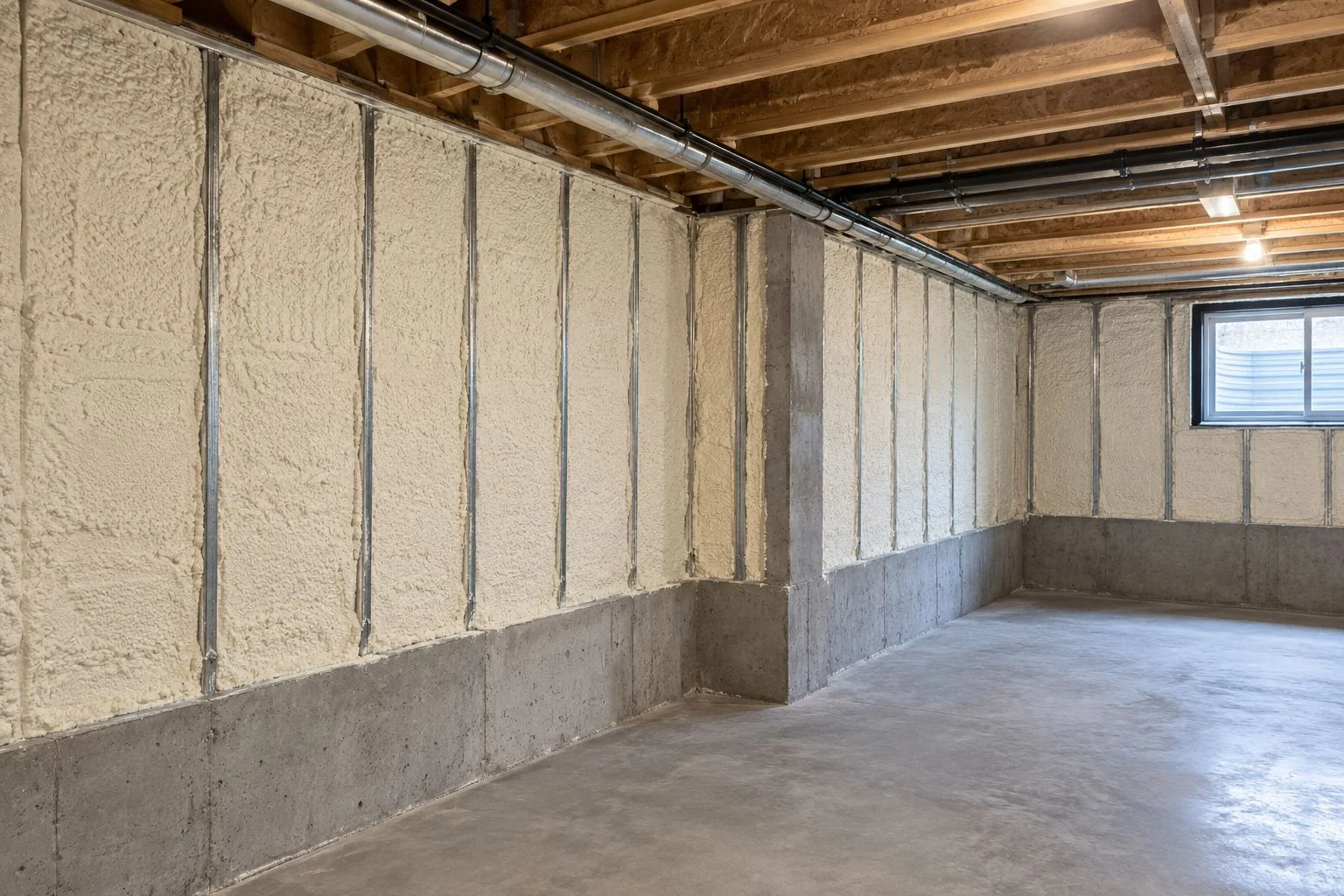
Concrete and Masonry Wall Insulation
Brick, block, and concrete walls require more attention than ordinary framed cavities. Their ability to absorb and release moisture affects which insulation materials are suitable. Before recommending foam insulation for masonry surfaces, we consider wall condition, water exposure, and existing finishes. Proper material selection improves thermal protection while accounting for the wall’s long-term durability.
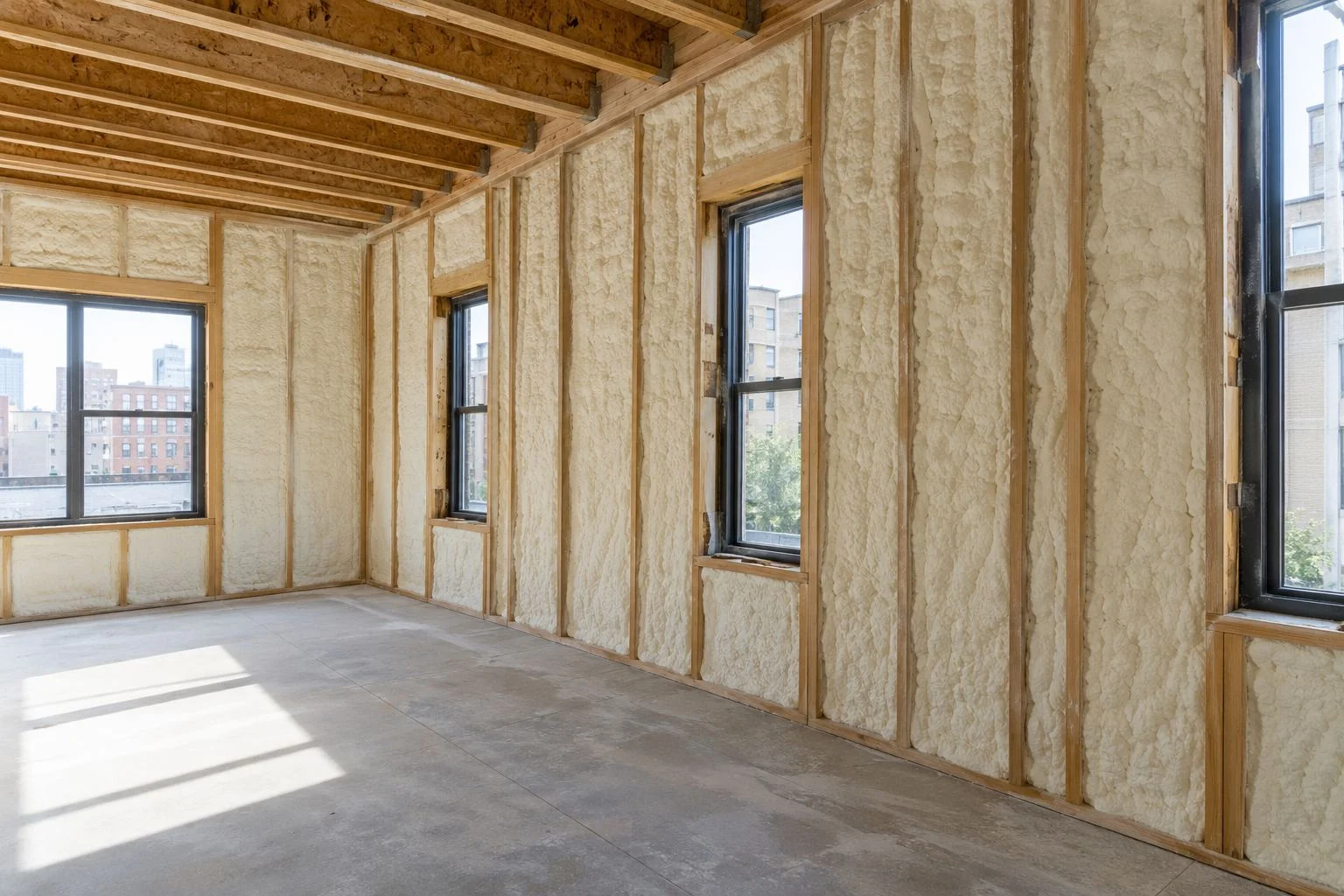
Existing Wall Insulation Upgrades
Finished rooms can require insulation improvements even when the walls appear undamaged. Access to the wall cavities determines which installation methods are practical. Prime Foam Solution reviews the available options before recommending work that may involve opening interior finishes. Homeowners receive a clear explanation of the proposed insulation areas and any access requirements before the project begins.
Prime Foam Solution
Quality Standards Behind Our Wall Insulation Work
Have a Similar Wall Insulation Project?
Show us the walls that need attention. Our insulation team can discuss suitable materials and the work required for your home.

Prime Foam Solution
Address Wall Insulation Gaps Before Interior Work Gets Costly
Once new drywall, paint, or other interior finishes cover your walls, insulation work can become more difficult and expensive. Schedule your wall insulation before renovation work closes the cavities and avoid unnecessary repairs later.
Prime Foam Solution
We Insulate Different Wall Types Across NYC Homes
From older brick walls to modern framed construction, every wall needs the right insulation approach. At Prime Foam Solution, we consider the wall’s material, condition, and available space before recommending suitable insulation.
- Exterior Walls: Improve thermal protection in walls exposed to outdoor temperatures.
- Interior Partition Walls: Reduce airborne noise between bedrooms, living areas, and shared spaces.
- Brick & Masonry Walls: Select suitable insulation based on the wall’s construction and moisture conditions.
- Concrete & Block Walls: Add thermal resistance to suitable solid wall surfaces.
- Wood-Framed Walls: Insulate accessible cavities between studs for more consistent coverage.
- Metal-Framed Walls: Address insulation gaps and heat transfer through suitable framed assemblies.
- Finished Walls: Explore insulation options based on existing drywall, plaster, and available access.
- Basement Foundation Walls: Improve thermal protection after existing moisture concerns receive attention.
Prime Foam Solution
Wall Insulation Options By Prime Foam Solution for Different Building Needs
Not every insulation material works equally well in framed walls, masonry surfaces, or limited spaces. Our recommendations consider the wall’s construction, available depth, and required thermal performance before a material is selected.
Spray Foam Wall Insulation
Open-cell and closed-cell spray foam offer different insulation properties for suitable wall cavities. Open-cell foam expands into irregular spaces and can absorb some airborne sound. Closed-cell foam provides higher thermal resistance per inch and greater vapor resistance. We consider available cavity depth, moisture conditions, and the approved wall assembly when recommending spray foam insulation.
Rigid Foam Board Insulation
Rigid foam boards provide thermal resistance across suitable wall surfaces and can form a continuous insulation layer when properly installed. Materials such as polyisocyanurate, EPS, and XPS differ in thermal performance and moisture-related properties. For appropriate wall assemblies, we consider board thickness, seam treatment, available space, and required protective finishes before recommending rigid foam insulation.
Fiberglass Batt Wall Insulation
Fiberglass batts can provide thermal insulation within accessible framed walls when the material fits the cavities correctly. Gaps, compression, and poorly fitted sections can reduce performance. Fiberglass does not replace necessary air sealing, which requires separate attention. Wall depth, framing layout, and the required R-value determine whether batt insulation is appropriate.
Prime Foam Solution
We Match Wall Insulation to Your Building’s Structure
Older NYC masonry walls, modern framed walls, and below-grade concrete surfaces have different moisture and insulation needs. Prime Foam Solution considers the wall assembly before recommending insulation that may change how heat and moisture pass through it.
- Brick and Masonry Conditions: Older masonry may require additional evaluation before interior insulation changes the wall’s ability to dry.
- Existing Water Problems: Leaks, damp surfaces, and moisture-damaged materials require attention before insulation covers them.
- Vapor Control Requirements: Suitable insulation materials and vapor-control layers depend on the wall’s construction and moisture conditions.
- Exterior Wall Compatibility: Insulation installed with exterior cladding must account for weather protection, wall drainage, and approved assembly requirements.
Prime Foam Solution
Our Experts Follow NYC Wall Insulation Standards
Wall insulation must meet the requirements that apply to the building and project scope. Our insulation plans account for relevant New York City energy standards, material safety, and wall construction requirements.
- NYC Energy Code Requirements: The 2025 NYC Energy Conservation Code establishes insulation requirements for applicable new construction and alterations. Certain exposed wall cavities must receive insulation that meets the relevant code provisions.
- Foam Insulation Fire Protection: NYC Building Code Section BC 2603 regulates foam plastic insulation, including required thermal barriers and approved exceptions.
- Exterior Wall Assembly Standards: Foam insulation in exterior wall systems may require additional fire testing and protective construction details based on the building type.
- Renovation and Building Approvals: Applicable permit requirements and co-op or condominium alteration rules must be confirmed before work begins.
Prime Foam Solution
Serving NYC Homes with Wall Insulation Services Across All Five Boroughs
New York City properties include older brick townhouses, framed single-family homes, and apartment buildings with different wall construction. Our insulation recommendations account for these differences when homeowners plan wall upgrades.
Need Wall Insulation in Your Neighborhood? Share your property location to confirm service availability and discuss the insulation work you need.
Our proposed service areas include:
- Brooklyn: Park Slope, Williamsburg, Bay Ridge, Bedford-Stuyvesant, and surrounding neighborhoods.
- Manhattan: Upper West Side, Harlem, Chelsea, Washington Heights, and nearby areas.
- Queens: Astoria, Flushing, Forest Hills, Jamaica, and neighboring communities.
- The Bronx: Riverdale, Fordham, Mott Haven, Pelham Bay, and surrounding areas.
- Staten Island: St. George, New Dorp, Great Kills, Tottenville, and nearby neighborhoods.
Prime Foam Solution
What Sets Prime Foam Solution Apart for Wall Insulation
Wall-Specific Insulation Assessments:
We review the existing wall construction before recommending a suitable insulation method.
Clear Access Requirements:
Homeowners receive an explanation of which wall areas need to be opened before work begins.
R-Value-Based Material Selection:
Insulation recommendations account for required thermal performance and available wall depth.
Masonry Wall Considerations:
Existing brick, concrete, and block construction receive attention before insulation selection.
Moisture-Conscious Recommendations:
Our team considers water exposure and vapor-control requirements when reviewing wall assemblies.
Wall Cavity Coverage:
Insulation plans address suitable framing spaces and areas that require additional attention.
NYC Code-Conscious Planning:
Applicable energy and fire safety provisions inform insulation recommendations.
Defined Project Scope:
We explain the proposed materials, treatment areas, and preparation requirements before installation.
Prime Foam Solution
Frequently Asked Questions
How much does wall insulation cost in NYC?
Wall insulation prices depend on the treated area, material selection, required thickness, and access conditions. Finished walls may involve additional work to expose cavities and restore interior surfaces. A project quote should identify the insulation material, proposed coverage, and any preparation or finishing work required.
What is the best insulation for exterior walls?
The best exterior wall insulation depends on the wall’s construction, available space, and required thermal performance. Spray foam, fiberglass batts, and rigid foam boards serve different applications. Material selection must also account for moisture conditions, air sealing, and the complete wall assembly.
Can spray foam insulation be installed inside existing walls?
Conventional two-component spray foam generally requires access to exposed wall cavities. Finished walls may need drywall or plaster removed before application. Certain injection insulation products can be installed through smaller openings, but they are not interchangeable with standard spray foam. Wall construction determines which method is suitable.
Is rigid foam board insulation suitable for exterior walls?
Yes, rigid foam board insulation can provide continuous thermal protection in suitable exterior wall assemblies. Material type, thickness, seam treatment, weather protection, and fire safety requirements influence installation. The selected insulation must be compatible with the wall’s construction and approved building design.
What is the best insulation for basement walls?
Foam insulation is commonly considered for suitable basement wall assemblies because it provides thermal resistance and can support moisture control. Closed-cell spray foam and rigid foam boards are possible options, depending on the wall construction. Existing leaks, damp surfaces, and foundation conditions must be addressed before installation.
Can concrete walls be insulated from the inside?
Yes, concrete walls can be insulated from the interior when the selected system suits the wall’s moisture conditions and construction. Spray foam and rigid foam boards are possible materials for certain assemblies. Existing water entry and required vapor control must be evaluated before insulation covers the surface.
Does wall insulation reduce noise between rooms?
Wall insulation can absorb some airborne sound within interior partitions, but it does not make rooms completely soundproof. Noise reduction depends on the complete wall assembly, including framing, drywall, and openings. Additional acoustic measures may be needed when stronger sound isolation is required.
How much R-value do exterior walls need in NYC?
Required wall insulation depends on the building type, wall assembly, and applicable NYC energy code provisions. New construction and alterations may have different requirements. The 2025 NYC Energy Conservation Code includes specific rules for exposed wall cavities during qualifying alterations, and the complete wall assembly must be considered.
Do finished walls need to be opened for insulation installation?
Finished walls often need to be opened for conventional spray foam installation because the material requires direct access to the cavity. Some other insulation methods can use smaller openings. The appropriate approach depends on existing materials, wall condition, and the insulation system selected for the project.
How long does wall insulation installation take?
Installation time depends on the number of walls, accessibility, material choice, and required preparation. Open wall cavities generally require less access work than finished interiors. Drywall repairs, surface preparation, and spray foam curing can affect the overall schedule. The project scope should clarify these requirements before work begins.
Prime Foam Solution
Make Your Wall Insulation Upgrade Worth the Investment
Your walls shouldn’t continue to affect indoor comfort because of missing insulation or untreated gaps. Prime Foam Solution can review suitable wall areas and discuss materials that match your property’s construction. Get a clear recommendation for your wall insulation project before you commit to unnecessary work.