

Spray-Applied Fireproofing in NYC for Required Fire Ratings
Protect structural components with fireproofing that meets your project’s approved specifications.
Missing or damaged fireproofing on structural steel and building decks can raise safety concerns and delay inspections. For contractors and property managers, correcting these issues late in construction can create extra work and unexpected costs. We understand the importance of meeting fire-resistance requirements before the project moves forward. Spray-applied fireproofing provides a protective layer that slows heat transfer to structural components during a fire. Prime Foam Solution reviews the approved requirements and proposed surfaces to recommend suitable fireproofing applications for your building.
- Fire-Rating-Based SFRM Applications
- Cementitious & Mineral Fiber Options
- Fireproofing Thickness Requirements
- Surface & Material Compatibility Checks
- NYC Code & Special Inspection Awareness
Prime Foam Solution
Meet Required Fire Ratings with Spray-Applied Fireproofing in NYC
Missing fireproofing on structural framing and deck assemblies can become a serious concern when a building must meet its required fire-resistance rating. Construction activity may leave certain areas unprotected or damage existing material. We recognize how frustrating it is to discover these problems when inspections or other project deadlines are approaching. Spray-applied fire-resistive material (SFRM) provides protection for suitable structural members and rated assemblies according to an approved design.
Getting the application right matters more than simply covering the exposed surface. At Prime Foam Solution, we focus on the specified material, required thickness, and condition of the areas that need fireproofing. Our recommendations account for the approved fire-resistance design and the work needed before application. Contractors can review the proposed scope and address fireproofing requirements before they create further complications for the project.

Prime Foam Solution
Spray Fireproofing Services for Structural Protection
Structural framing, floor decks, and roof assemblies have different fireproofing requirements. Our spray-applied fireproofing services focus on the materials and coverage specified for each approved construction assembly.
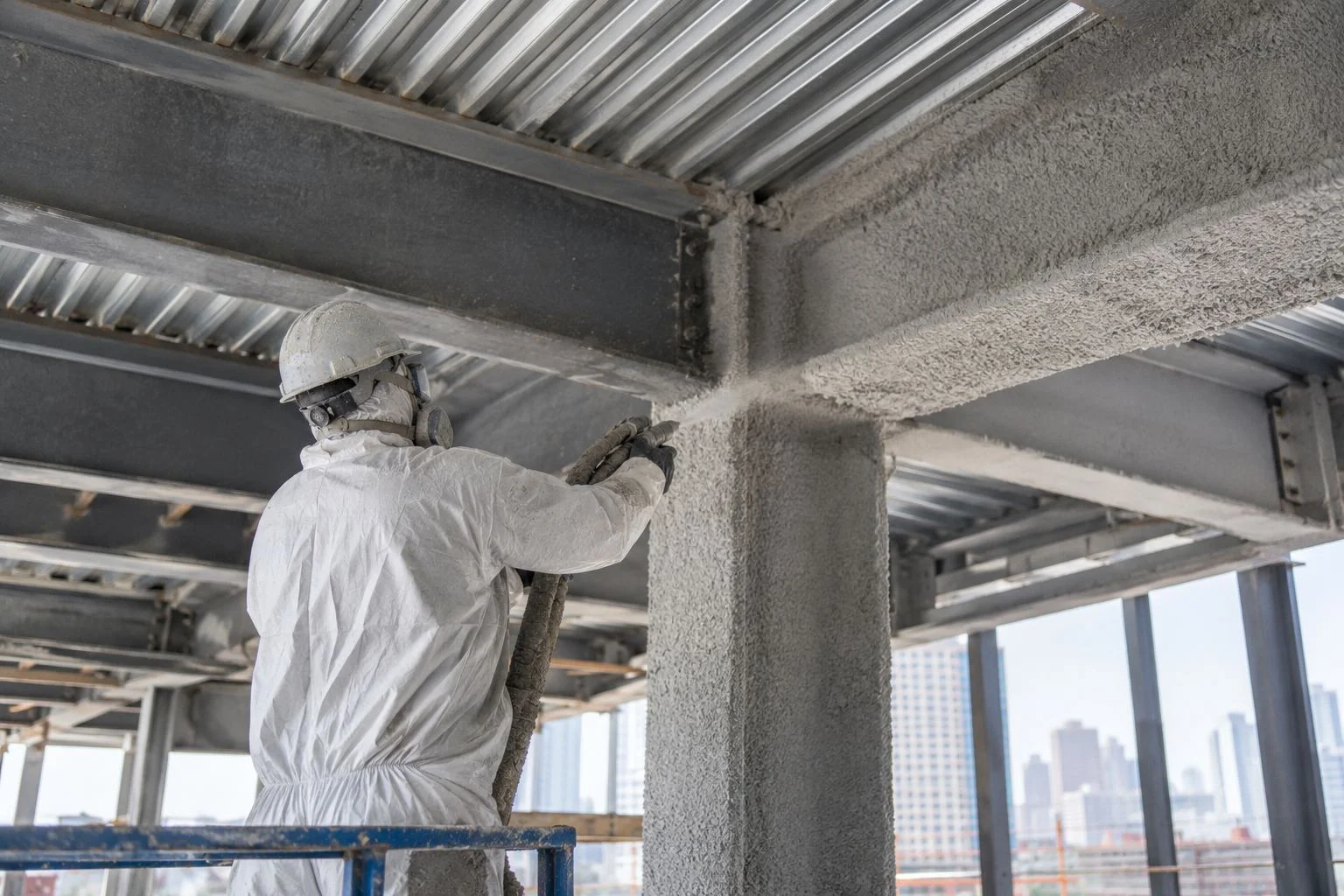

Structural Steel Fireproofing
Structural steel may require spray-applied protection to achieve the fire-resistance rating specified in the building design. Our fireproofing service addresses suitable structural framing with materials and coverage based on the approved system. Each application must follow the listed fire-resistance requirements rather than a standard approach for all steel members.
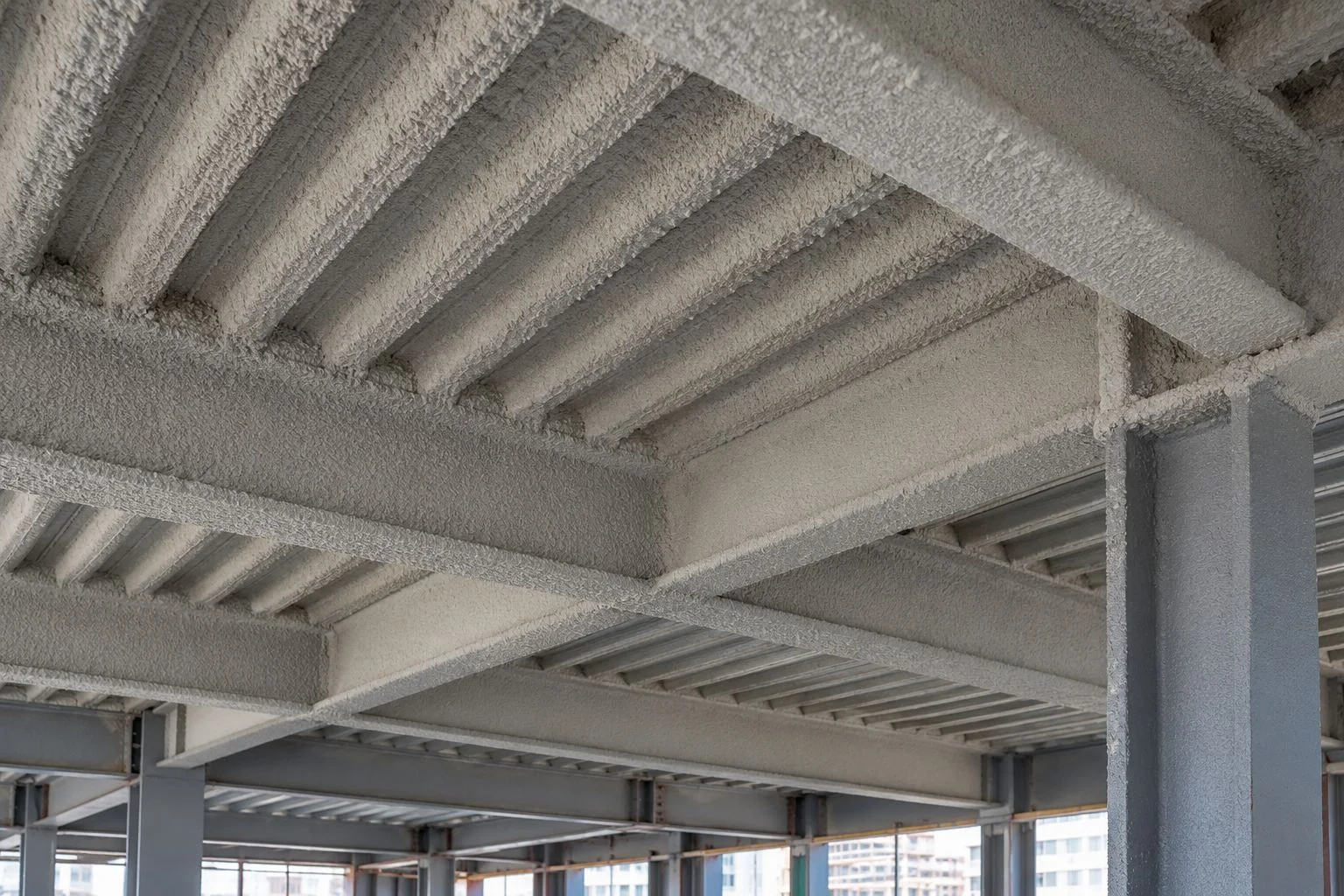
Floor Deck Fireproofing
Steel floor decks may form part of a fire-rated floor assembly that requires spray-applied protection beneath the deck. Missing coverage around deck profiles and supporting members can affect the approved design. Our floor deck fireproofing work focuses on the specified application areas and material thickness. Deck construction and the required fire-resistance rating guide the installation.
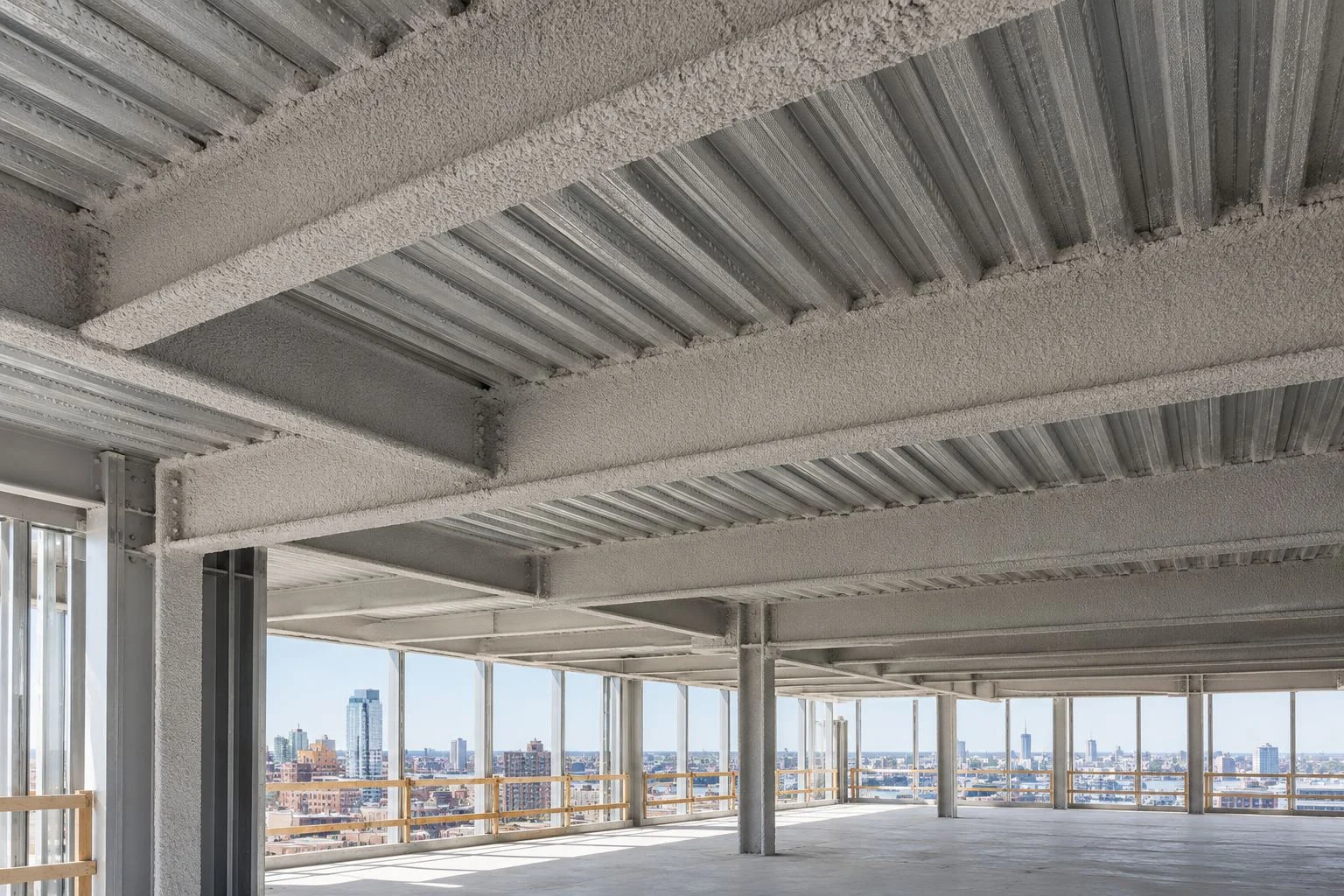
Roof Deck Fireproofing
Commercial roof decks may require fireproofing as part of the building’s approved structural protection. Exposed steel decking, supporting members, and nearby construction can affect application access. We review the specified roof assembly and proposed treatment areas before recommending spray-applied material. Installation must account for the required coverage and coordination with roofing and overhead work.
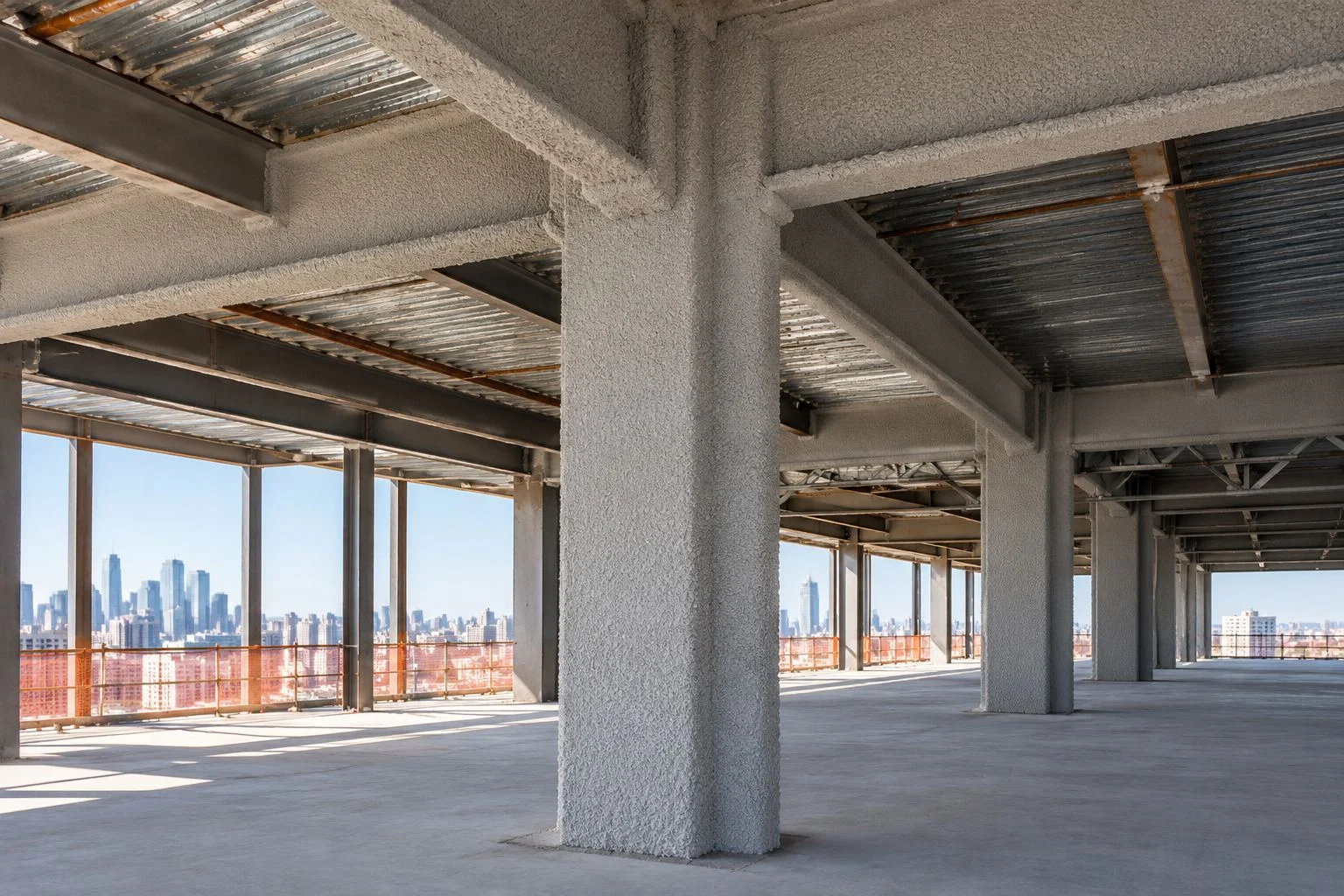
Steel Column Fireproofing
Steel columns may need protective material around several exposed surfaces to satisfy their required fire-resistance rating. Application thickness depends on the approved design and the column’s shape. Our fireproofing recommendations consider surface access, existing coatings, and the protection required around the member. Columns in areas exposed to accidental damage may need additional protective measures.
Existing Fireproofing Repairs
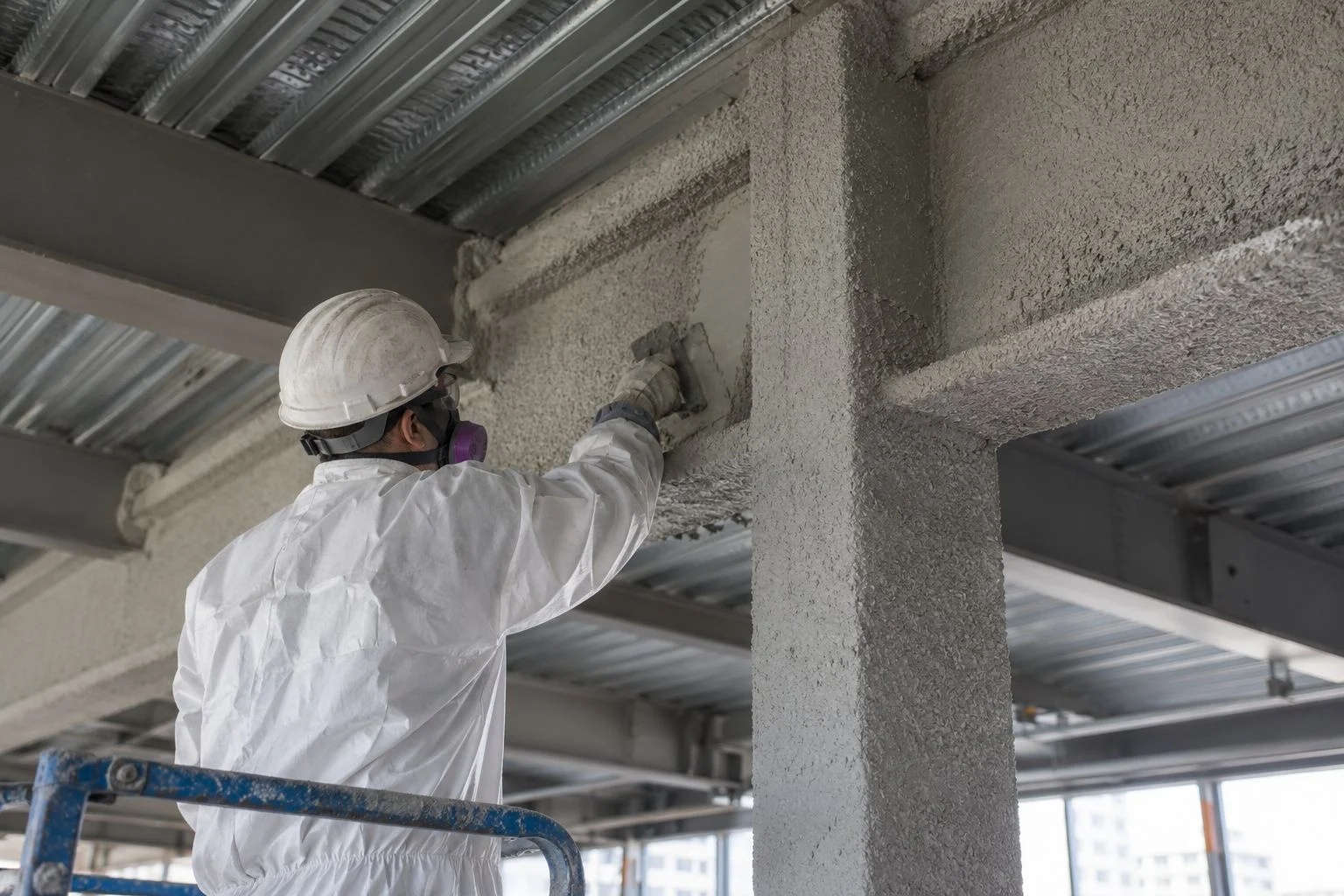
Construction work, new equipment, or building alterations can leave existing fireproofing chipped, loose, or missing. Damaged areas need evaluation before suitable replacement material is applied. We review the exposed surfaces and applicable approved fireproofing system to determine the proposed repair scope. Existing materials and underlying structural conditions may require further assessment before work begins.
Prime Foam Solution
Our Spray-Applied Fireproofing Projects in NYC
Have Structural Areas That Need Fireproofing?
Share your approved fire-resistance requirements and project details with Prime Foam Solution to discuss suitable spray-applied fireproofing options.
Prime Foam Solution
Complete Fireproofing Before Inspection Delays Your Project
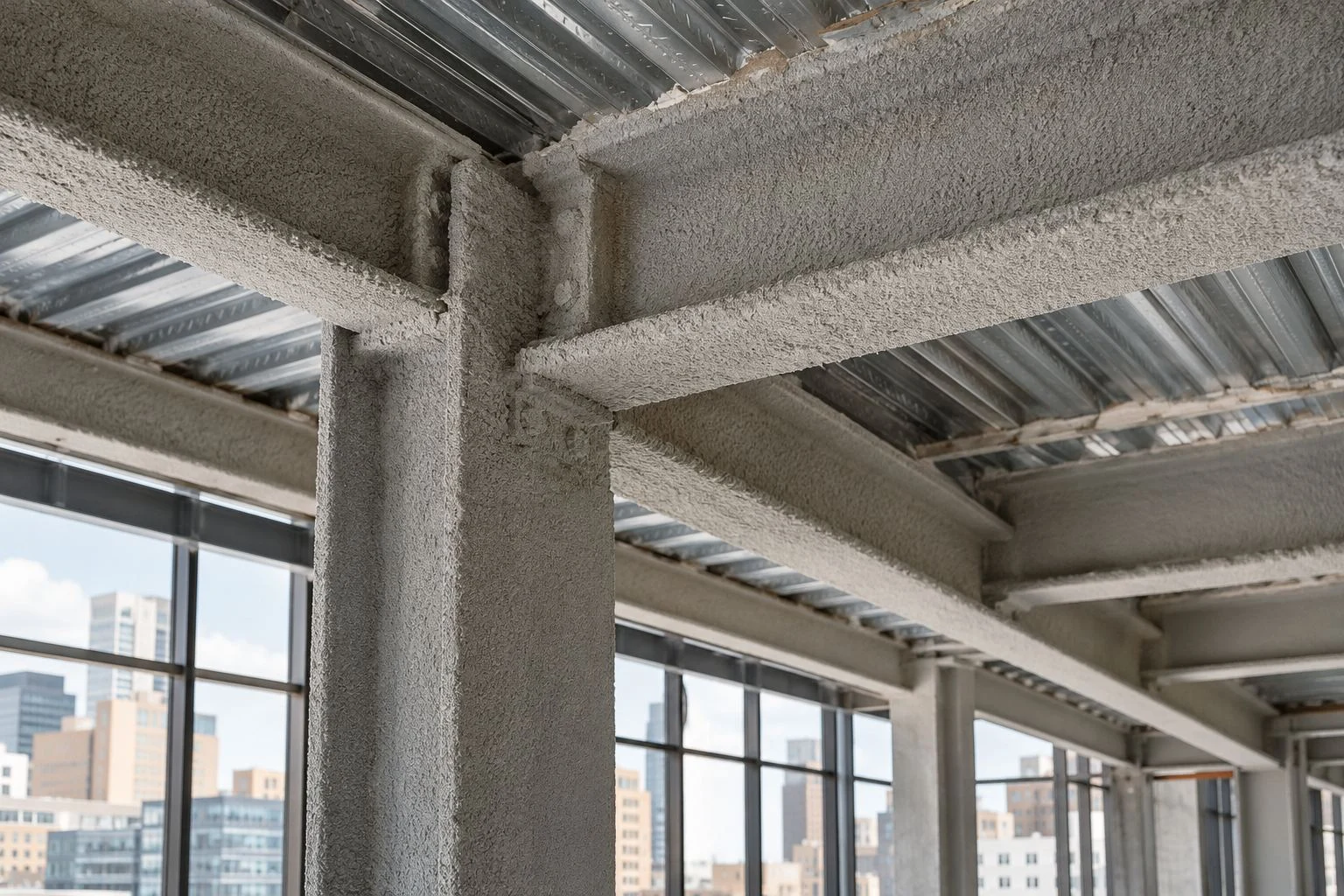
Missing coverage or damaged fireproofing can require correction before the work receives the necessary approval. Address these areas while structural members remain accessible and avoid additional delays after other construction work moves forward.
Prime Foam Solution
Fireproofing for Different Building Structures
Fireproofing requirements depend on the building’s use, structural design, and approved fire-resistance ratings. Our recommendations focus on the assemblies that require protection.
- Commercial Office Buildings: Fireproofing for specified structural framing and floor assemblies during construction or renovation.
- Warehouses & Industrial Facilities: Protection for suitable structural steel and deck assemblies based on the approved building design.
- Institutional Buildings: Fireproofing applications for required structural members in schools, healthcare facilities, and other institutional properties.
- Multifamily Residential Buildings: Spray-applied protection for specified structural assemblies in applicable residential construction.
- Building Renovations & Additions: Replacement or new fireproofing where alterations affect required structural protection.
Prime Foam Solution
Spray-Applied Fireproofing Materials We Work With
Different SFRM products have different application and performance requirements. We consider the approved fire-resistance design and specified material before recommending an option.
- Cementitious Fireproofing: Cement-based spray-applied material used in suitable structural steel and building-deck assemblies.
- Mineral Fiber Fireproofing: Fiber-based sprayed fire-resistive material used in approved structural protection systems.
- Rated SFRM Systems: The selected product, density, thickness, and application method must match the approved fire-resistance design.
Prime Foam Solution
Our Process for Spray-Applied Fireproofing Installation
Spray-applied fireproofing requires suitable surfaces, the specified material, and correct coverage. Our installation process focuses on the approved project requirements and the conditions necessary for application.
Review the Approved Fireproofing Requirements
We examine the specified fire-resistance ratings, proposed treatment areas, and available construction details. The approved design determines the material requirements and required application thickness.
Prepare Structural Surfaces
Steel and deck surfaces must be suitable for the selected SFRM. Our team checks for loose material, dirt, oil, and existing coatings that may affect adhesion. Preparation follows the manufacturer’s instructions and approved system requirements.
Apply Fireproofing at the Specified Thickness
The selected fireproofing material is applied to the approved structural surfaces. Application thickness and coverage follow the fire-resistance design, with attention to the specified surfaces and required clearances.
Complete Coverage Checks and Site Preparation
After application, accessible areas are reviewed for visible gaps and damaged sections. Necessary cleanup and curing follow the manufacturer’s requirements. Required special inspections and testing are carried out by the responsible registered inspection agency.
Prime Foam Solution
Fireproofing Coverage Prepared for Required Inspections
Fireproofing inspections involve more than checking whether structural surfaces have been covered. NYC requires specific material properties and application conditions for approved SFRM systems.
We account for the following requirements during project planning:
"NYC Building Code Section BC 1705.14 requires special inspections for applicable SFRM installations. The registered special inspection agency independently performs the required inspections and testing."
- Required Thickness: The installed material must match the approved fire-resistance design.
- Material Density: The finished SFRM must meet the specified density requirements.
- Bond Strength: Fireproofing must maintain the required adhesion to its approved surface.
- Finished Coverage: Gaps, damaged sections, and other visible installation defects require attention.
Prime Foam Solution
Fireproofing Repairs for Damaged Structural Areas
Fireproofing can suffer damage during construction or later building alterations. Missing or loose sections deserve attention because they may affect the required protection of a structural assembly.
Repair Damaged Fireproofing
Chipped, cracked, or detached material may require suitable repair after the underlying surface and existing fireproofing are evaluated.
Restore Coverage After Building Alterations
New ducts, piping, suspended equipment, and other construction work may affect existing sprayed material. We review the exposed areas and proposed replacement requirements before recommending repairs.
Address Fireproofing Inspection Findings
Required inspections may identify missing material, insufficient thickness, or adhesion concerns. The necessary corrections depend on the inspector’s findings and the approved fireproofing system.
Prime Foam Solution
We Follow NYC Spray Fireproofing Requirements
Prime Foam Solution considers New York City’s fireproofing requirements when planning suitable SFRM applications.
- Fire-Resistance Ratings: NYC Building Code BC 704.13 requires SFRM application to match the approved fire-resistance design and material specifications.
- Special Inspections: BC 1705.14 covers required inspections of sprayed fire-resistant materials.
- Material Testing: Applicable inspections assess thickness, density, bond strength, and finished application conditions.
- Approved Application: Surface preparation, materials, and application methods must follow the listed system and manufacturer instructions.
Prime Foam Solution
Spray-Applied Fireproofing Services Across NYC
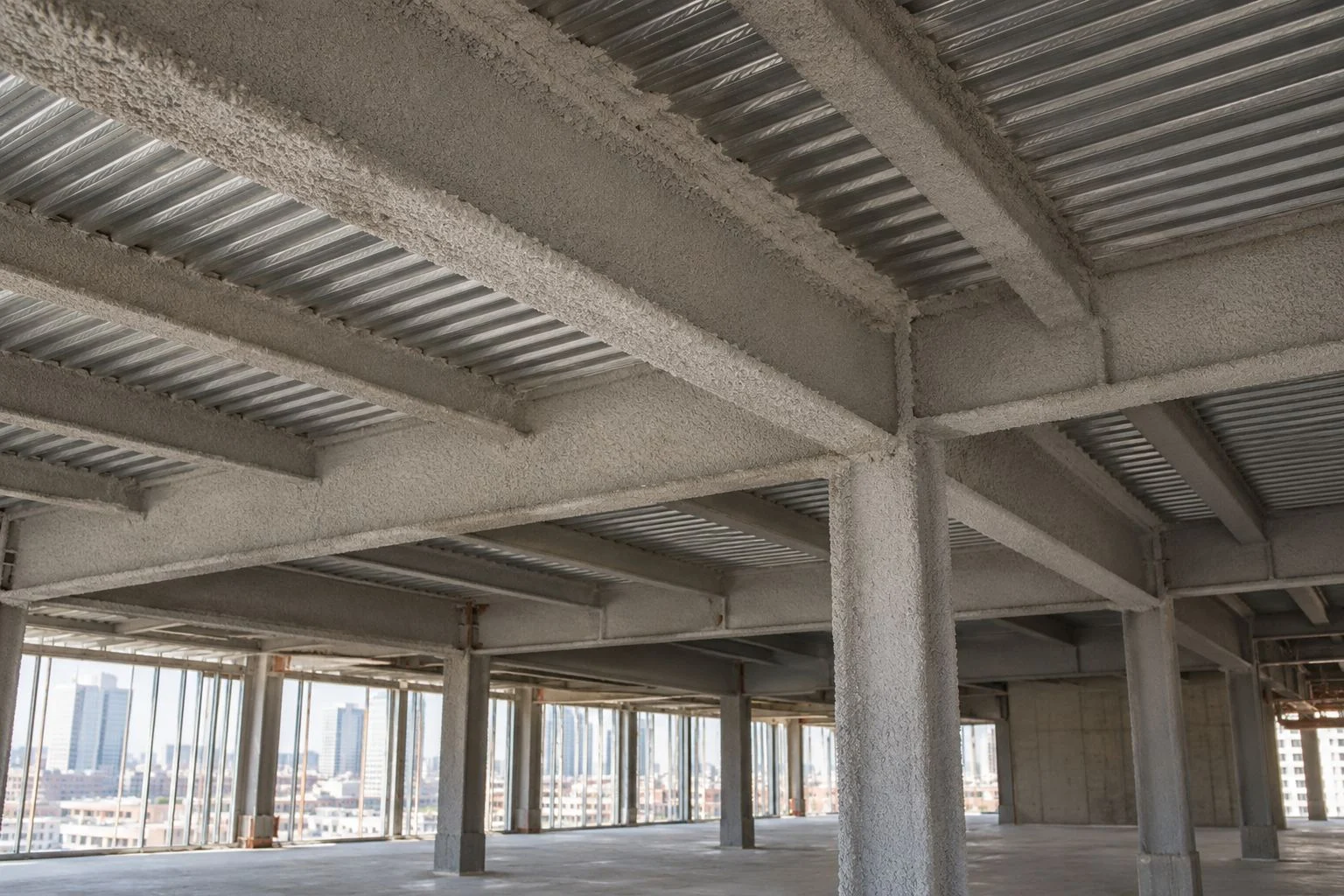
New York City construction projects include commercial offices, warehouses, institutional buildings, and multifamily properties that may require structural fire protection. Our spray-applied fireproofing recommendations consider the building’s construction, required ratings, and project access.
Our proposed service areas include:
Need Spray-Applied Fireproofing in Your Area? Share your project location and required fireproofing scope to confirm service availability.
- Manhattan: Midtown, Financial District, Chelsea, Harlem, and surrounding areas.
- Brooklyn: Downtown Brooklyn, Williamsburg, Sunset Park, and nearby neighborhoods.
- Queens: Long Island City, Flushing, Jamaica, Maspeth, and surrounding communities.
- The Bronx: Mott Haven, Hunts Point, Fordham, and nearby areas.
- Staten Island: St. George, Mariners Harbor, Charleston, and surrounding communities.
Prime Foam Solution
Why Choose Prime Foam Solution for Fireproofing?
Rating-Based Material Selection:
We consider the approved fire-resistance design before recommending SFRM.
Structural Surface Preparation:
Existing coatings and substrate conditions receive attention before application.
Specified Thickness Planning:
Required material depth is based on the approved fireproofing system.
Floor & Roof Deck Applications:
Coverage recommendations account for the construction of each rated assembly.
Repair Scope Evaluation:
Damaged fireproofing areas are reviewed before suitable replacement work is proposed.
Inspection Requirements Awareness:
Project planning accounts for required thickness, density, and bond strength checks.
NYC Fireproofing Code Knowledge:
Applicable building code requirements guide the proposed fireproofing work.
Clear Project Requirements:
Contractors receive an explanation of the intended surfaces, materials, and necessary preparation.
Prime Foam Solution
Frequently Asked Questions
How much does spray-applied fireproofing cost in NYC?
Spray-applied fireproofing costs depend on the treated area, required fire-resistance rating, selected material, and installation access. Surface preparation, material thickness, and repair work can affect the total. A project quote should identify the required system, proposed coverage, and any preparation or inspection-related coordination.
What is spray-applied fireproofing?
Spray-applied fireproofing uses a fire-resistive material, commonly called SFRM, to protect specified structural members and building assemblies. The material slows heat transfer to protected components during a fire. The required protection depends on a tested and approved fire-resistance design, not simply the presence of sprayed material.
How many hours of fire protection does SFRM provide?
Spray-applied fireproofing can be part of assemblies with different fire-resistance ratings, including one-, two-, three-, or four-hour designs where an approved system is available. The actual rating depends on the complete listed assembly, structural member, material, and application thickness. A specific rating cannot be assigned without the approved design.
Which building surfaces can receive spray-applied fireproofing?
Approved SFRM systems can protect specified structural framing, steel columns, floor decks, and roof deck assemblies. The surfaces eligible for treatment depend on the listed fire-resistance design and material requirements. Structural steel beams can also require protection, with their specific ratings and application details covered under our Steel Beam Fireproofing service.
Is cementitious fireproofing different from mineral fiber fireproofing?
Yes. Cementitious SFRM uses cement-based materials, while mineral fiber fireproofing uses fibers with suitable binders. Both can provide structural fire protection in approved systems. Their density, installation methods, and performance characteristics differ, making material selection dependent on the fire-resistance design and project conditions.
Does spray-applied fireproofing require special inspections in NYC?
Yes, applicable sprayed fire-resistant material installations require special inspections under NYC Building Code Section BC 1705.14. Inspections include checks of surface conditions, material thickness, density, bond strength, and finished coverage. The responsible registered special inspection agency conducts the required testing and inspection.
What surface preparation is needed before spray fireproofing?
Surfaces must meet the requirements of the approved SFRM system before application. Dirt, oil, loose materials, moisture, and incompatible coatings can affect adhesion. Preparation depends on the substrate, selected product, and manufacturer instructions. Any required surface treatment must be completed before fireproofing is applied.
Can damaged spray fireproofing be repaired?
Yes, damaged fireproofing may be repaired when the replacement material and application follow the approved fire-resistance system. Loose or unsuitable material may require removal before repair. Existing coatings, substrate condition, and the extent of damage determine the necessary work. Additional inspection may be required.
Is spray-applied fireproofing the same as spray foam insulation?
No. Spray-applied fire-resistive material is intended to provide fire protection for specified structural members and assemblies. Spray polyurethane foam is primarily used for thermal insulation and air sealing. Ordinary spray foam does not replace a listed structural fireproofing system.
How long does spray-applied fireproofing installation take?
Installation time depends on the amount of structural surface requiring protection, material type, access, and preparation needs. Application and drying times differ by product. Other construction activity and required special inspections may affect the project schedule. The contractor should confirm these requirements before work begins.
Prime Foam Solution
Complete Your Fireproofing Project with the Right Protection
Required structural fire protection deserves attention before missing coverage or installation issues affect construction progress. Prime Foam Solution can review your proposed fireproofing areas, approved requirements, and material options to discuss suitable spray-applied applications.